
Japanese plant pots, renowned for their aesthetic appeal and cultural significance, often feature a “smooth” surface. This characteristic, meticulously crafted through various techniques, plays a crucial role in enhancing the overall visual impact and symbolic meaning of the vessel. From the delicate glaze to the refined clay, smoothness in Japanese pottery isn’t merely a surface treatment; it’s a reflection of tradition, artistry, and the harmonious integration of form and function.
This exploration delves into the multifaceted world of Japanese plant pots, examining the diverse interpretations of “smooth,” from its visual characteristics to the cultural context. We’ll explore the materials, manufacturing processes, and aesthetic considerations that underpin the creation of these exceptional pieces, culminating in a deeper appreciation for their timeless beauty and enduring appeal.
Defining “Smooth” in Japanese Plant Pots
Japanese pottery, renowned for its aesthetic elegance and meticulous craftsmanship, often employs the concept of “smooth” in a multifaceted way. Beyond a simple tactile quality, “smooth” in this context encompasses visual characteristics, the inherent material properties of the clay, and the intricate techniques used in its creation. This nuanced understanding of smoothness is deeply intertwined with the philosophy of appreciating natural beauty and the inherent elegance of simplicity.The notion of “smooth” in Japanese plant pots isn’t merely about a lack of imperfections; it’s about a harmonious balance between the raw material and the final form.
It suggests a refined aesthetic where the pot’s surface speaks to the skilled hands that shaped it, revealing the mastery of the potter. The smooth surface can evoke a sense of tranquility and serenity, reflecting the deep-rooted appreciation for simplicity and natural beauty within Japanese aesthetics.
Visual Characteristics of Smoothness
The visual characteristics of smoothness in Japanese plant pots extend beyond a purely tactile experience. A smooth surface can exhibit a subtle sheen or matte finish, reflecting light in a way that complements the plant’s foliage. This reflective quality, often achieved through polishing or glazing, can draw the eye to the subtle details of the pot’s form. The absence of any visible striations or unevenness is also considered a key element of visual smoothness.
The overall harmony between the pot’s form and its surface finish is crucial in achieving the desired aesthetic effect.
Textures and Surface Finishes
The texture of a Japanese plant pot plays a vital role in conveying its “smoothness.” While a polished surface is often associated with smoothness, other techniques, such as the application of subtle textures or glazes, can also contribute to this overall impression. These techniques often aim to create a sense of depth and dimension within the pot’s form, emphasizing its craftsmanship and beauty.
A pot with a perfectly smooth surface may appear too stark, while a slightly textured surface adds warmth and visual interest.
Manufacturing Techniques and Smoothness
The manufacturing techniques employed in crafting Japanese plant pots significantly influence their perceived smoothness. Potters often meticulously prepare the clay, ensuring a consistent texture and minimizing air bubbles or imperfections. The firing process also plays a crucial role, with variations in temperature and atmosphere impacting the final surface finish. Precise control over these techniques allows potters to achieve a variety of smooth finishes, each reflecting the particular style and aesthetic of the piece.
Examples of Smoothness in Japanese Plant Pots
Numerous examples from both historical and contemporary Japanese pottery showcase the diverse interpretations of “smoothness.” Historically, the Raku ware, known for its distinctive matte finish and subtle surface imperfections, still embodies a sense of understated elegance and refined smoothness. Modern potters often employ techniques like raku firing to achieve a unique and slightly irregular smoothness, adding character and visual interest.
Contemporary works, often incorporating intricate designs, demonstrate a skillful blend of smooth surfaces with deliberate ornamentation.
Comparison of Surface Finishes
| Surface Finish | Description | Visual Characteristics | Manufacturing Techniques |
|---|---|---|---|
| Polished | Achieved by rubbing the pot’s surface to a high degree of smoothness. | Highly reflective, with a mirror-like sheen. | Requires careful and prolonged rubbing or polishing. |
| Glazed | A thin layer of glassy material applied to the pot’s surface and fired. | Can exhibit a wide range of colors and textures, from glossy to matte. | Involves applying glaze, carefully controlling the firing process. |
| Unglazed | The pot’s surface remains uncoated. | Shows the natural texture of the clay, often with a subtle matte finish. | The firing process directly impacts the pot’s surface finish. |
Aesthetic Considerations of Smooth Surfaces
Smooth surfaces in Japanese plant pots transcend mere aesthetics; they embody a deep-seated cultural appreciation for simplicity, harmony, and the natural world. The polished finish, often achieved through meticulous craftsmanship, creates a visual calm that complements the organic forms of the plants, enhancing the overall harmony of the arrangement. This emphasis on smoothness dovetails with traditional Japanese design principles, particularly wabi-sabi, which values the beauty found in imperfection and the passage of time.The smooth surface of a Japanese plant pot acts as a neutral canvas, allowing the plant’s natural beauty to take center stage.
This minimalist approach, a hallmark of Japanese design, focuses attention on the plant itself, rather than the container. This creates a balanced and visually appealing arrangement that resonates with the Japanese philosophy of appreciating the subtle beauty in everyday objects.
Role of Smoothness in Enhancing Aesthetic Appeal
Smooth surfaces, when carefully executed, create a serene and harmonious aesthetic in a plant arrangement. The lack of texture allows the eye to effortlessly glide over the pot, focusing instead on the delicate intricacies of the plant. This emphasis on the plant’s natural beauty is a key element of traditional Japanese aesthetics. The smooth surface also subtly reflects light, further enhancing the plant’s vibrancy and the overall visual appeal.
Relationship to Traditional Japanese Design Principles
The smooth finish of Japanese plant pots often aligns seamlessly with the core principles of wabi-sabi. The inherent imperfection of natural forms, coupled with the deliberate smoothness of the pot, creates a dynamic tension between artifice and nature. This tension, a cornerstone of wabi-sabi, evokes a sense of tranquility and appreciation for the ephemeral nature of beauty. Similarly, the minimalist approach inherent in smooth surfaces resonates with the Japanese emphasis on simplicity and the appreciation of understated elegance.
Examples of Smooth Texture Complementing Plant and Arrangement
A smooth, dark-gray ceramic pot, for example, paired with a cascading pothos plant, allows the plant’s vibrant green to stand out vividly. The smooth surface of the pot reflects the light, creating an alluring play of textures. Conversely, a sleek, white porcelain pot can showcase the delicate blooms of a bonsai, highlighting the intricate details of the miniature tree.
In each case, the smooth surface serves as a sophisticated backdrop, allowing the plant’s unique character to shine.
Plants Benefitting from Smooth Pots
| Plant Type | Pot Suitability Explanation |
|---|---|
| Hanging plants (e.g., pothos, spider plant) | The smooth surface of the pot allows the cascading foliage to flow gracefully, highlighting the plant’s natural beauty. |
| Bonsai | The smooth surface provides a clean, minimalist backdrop for the intricate details of the bonsai’s miniature tree. |
| Succulents and cacti | The smooth pot contrasts beautifully with the succulent’s textured leaves and spines, emphasizing the plant’s unique form. |
| Flowering plants (e.g., orchids, lilies) | The smooth surface complements the delicate blooms, showcasing their vibrancy and intricate details. |
Materials and Techniques for Smooth Surfaces
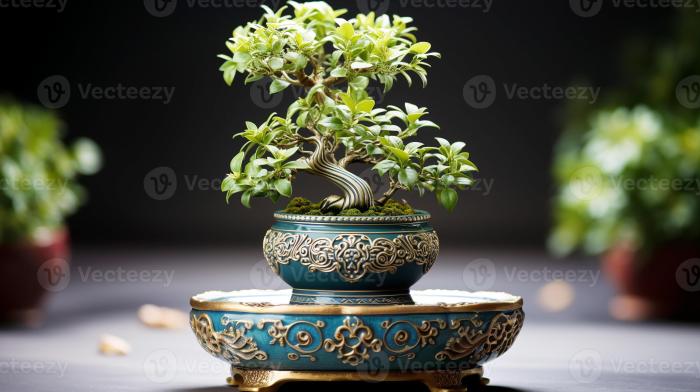
Japanese plant pots, renowned for their aesthetic appeal and functional design, often feature exceptionally smooth surfaces. Achieving this smoothness hinges on meticulous selection of materials and precise manufacturing techniques, each contributing to the pot’s overall visual harmony and tactile experience. These elements are crucial in reflecting the cultural emphasis on refined craftsmanship and beauty inherent in Japanese aesthetics.Japanese potters often employ specific clay types and glazes to create the desired smooth finish.
The choice of material directly impacts the pot’s texture and durability.
Clay Types and Glazes
The selection of clay significantly influences the final smoothness of the pot. High-quality stoneware clays, known for their plasticity and firing characteristics, are frequently chosen. These clays, when properly prepared and refined, offer a smooth surface that can take on various glazes effectively. The specific type of clay dictates the pot’s porosity and how it interacts with different glazing techniques.
Furthermore, the quality of the clay directly affects the pot’s ability to retain its shape and resist cracking. The choice of clay influences the overall texture and the potential for a smooth surface. A well-refined clay will yield a smooth, consistent finish, while less refined clay may present imperfections. Additionally, the firing process plays a critical role in achieving the desired smoothness and hardness of the finished pot.
Manufacturing Processes
Various manufacturing processes contribute to the smooth surfaces found in Japanese plant pots. Hand-building techniques, such as pinching and coiling, often result in organic and flowing forms. These methods, when combined with meticulous smoothing, can produce a natural, unpretentious elegance. Wheel-throwing, a more controlled method, allows for precise shaping and consistent thickness, which, when combined with the proper smoothing techniques, provides a uniform surface.
Different approaches to surface preparation are equally important. Using tools like wooden paddles or sponges to smooth the clay before glazing ensures a clean, consistent finish. Glazing techniques themselves also contribute to the smoothness. Thin, even layers of glaze, meticulously applied and fired, yield a glassy, seamless finish.
Glazing Techniques
The application of glaze is critical in achieving a smooth surface. A smooth glaze layer, when fired, produces a glassy, even surface. Applying multiple thin coats of glaze, allowing each coat to dry thoroughly before the next is applied, prevents drips and unevenness. Specific glazing techniques, such as dipping or brushing, can produce different textures, even if the end result is a smooth surface.
The temperature and duration of the firing process significantly influence the glaze’s consistency and the resulting smoothness. Different types of glazes have varying effects on the final smoothness.
Comparison of Materials
Different materials, like stoneware clay and porcelain, react differently to glazing and firing. Stoneware, often favored for its durability, requires precise handling during shaping and glazing to achieve a smooth surface. Porcelain, known for its delicate nature, may require specialized techniques for achieving smoothness without compromising its aesthetic integrity.
| Step | Description |
|---|---|
| 1 | Clay preparation and refining. Proper selection and refinement of clay are crucial. |
| 2 | Pot shaping using either hand-building or wheel-throwing methods. Precise shaping is important for consistent thickness and form. |
| 3 | Surface smoothing using tools like wooden paddles or sponges. Smoothing removes imperfections and ensures a consistent surface. |
| 4 | Application of glaze in thin, even layers. Multiple thin coats are essential for a smooth, even glaze. |
| 5 | Firing the pot at controlled temperatures. Precise temperature control ensures proper glaze fusion and surface smoothness. |
| 6 | Post-firing inspection and refinement (optional). Inspection ensures the desired smoothness and quality. |
Cultural Significance of Smoothness
Beyond their aesthetic appeal, smooth surfaces in Japanese plant pots embody a profound cultural significance, deeply rooted in the nation’s aesthetic philosophy and spiritual traditions. The pursuit of “shibui,” a sense of quiet elegance and understated beauty, often manifests in the meticulous craftsmanship and refined simplicity of these vessels. The smooth, unadorned surfaces reflect a reverence for natural forms and a desire to minimize artifice.The emphasis on smoothness in Japanese plant pots extends beyond mere practicality.
It represents a harmonious relationship with nature, mirroring the natural world’s effortless flow and the gentle curves of organic forms. This aesthetic is deeply intertwined with the broader cultural appreciation for minimalism and understated beauty, which permeates various aspects of Japanese life, from gardens to tea ceremonies.
Historical and Contemporary Relevance
Japanese gardens and interiors have long embraced smooth plant pots, reflecting evolving aesthetic sensibilities. From the refined simplicity of the Edo period to the contemporary appreciation for minimalist design, the form and function of these vessels have evolved alongside societal shifts. The pots have acted as more than mere containers; they are integral elements of the overall aesthetic, contributing to the harmony and balance of the surrounding environment.
Connection to Spiritual and Philosophical Concepts
Smoothness in Japanese aesthetics often connects to the concept of “wabi-sabi,” a philosophy that embraces imperfection, impermanence, and the beauty found in the natural world. The smooth surface of a well-crafted pot, while seemingly perfect, implicitly acknowledges the transient nature of existence. This acceptance of impermanence aligns with the Buddhist teachings on impermanence and the cyclical nature of life, often reflected in the design of Japanese gardens and the placement of plants within them.
This profound connection between the physical and the spiritual adds a layer of depth to the seemingly simple act of cultivating plants.
Evolution of Smooth Plant Pots
| Period | Characteristics | Materials | Examples |
|---|---|---|---|
| Heian Period (794-1185) | Early forms, often simple and functional, reflecting a focus on natural materials and subtle aesthetics. | Earthenware, possibly lacquered wood | Simple, unglazed earthenware pots with minimal decoration. |
| Kamakura Period (1185-1333) | Increased sophistication in form and craftsmanship. The influence of Zen Buddhism is apparent in a preference for understated elegance. | Earthenware, glazed stoneware | More refined earthenware pots, possibly with simple glazing techniques. |
| Edo Period (1603-1868) | The golden age of Japanese ceramics. Refinement of techniques and materials. The emphasis on minimalism and natural beauty becomes more prominent. | Glazed stoneware, porcelain, lacquer | Highly refined glazed stoneware and porcelain pots, showcasing intricate designs and exceptional craftsmanship. |
| Meiji Period (1868-1912) | Shift towards Western influences. However, the aesthetic appreciation for smoothness and natural beauty remains a constant. | Porcelain, stoneware, and various other imported materials | Continuation of refined designs, often with a subtle blend of Japanese and Western elements. |
| Modern and Contemporary | Modern interpretations of traditional aesthetics. Emphasis on minimalist forms and smooth surfaces. Sustainability and ethical sourcing gain increasing importance. | Glazed stoneware, ceramic, and even more contemporary materials | Minimalist pots with smooth surfaces and clean lines, reflecting contemporary aesthetic preferences. |
This table highlights the evolution of smooth plant pots, showcasing the gradual refinement of techniques and materials, alongside the consistent appreciation for smoothness and natural beauty throughout different periods in Japanese history. These periods demonstrate a deep-seated cultural value for a harmonious relationship between nature, aesthetics, and spirituality.
Smoothness and Plant Care
The aesthetic appeal of smooth Japanese plant pots extends beyond visual elegance. Their smooth surfaces, meticulously crafted, also play a crucial role in plant health and well-being. Understanding how smoothness impacts drainage, water retention, and ultimately, plant growth is essential for maximizing the life and vibrancy of the flora they house.Smooth surfaces, while visually appealing, can affect water management within the pot.
This, in turn, directly influences the growth and health of the plants. Proper maintenance of these pots is vital for their longevity and the vitality of the plants within.
Impact on Drainage and Water Retention
Smooth surfaces, by their very nature, offer less surface area for water to cling to compared to textured or porous surfaces. This results in slightly faster drainage. The lack of crevices or indentations means water flows more readily through the pot, minimizing the risk of waterlogging. However, a smooth pot’s lack of absorptive capacity also means that water can potentially drain too quickly, leading to dehydration of the plant if not managed properly.
The precise effect on water retention and drainage depends on the specific plant and the size of the pot.
Influence on Plant Growth and Health
The smoothness of a plant pot impacts plant health in several ways. Minimized water retention reduces the likelihood of root rot, a common issue for plants in consistently damp conditions. The speed of drainage allows for better aeration of the roots, which is crucial for healthy growth. Smooth surfaces can also reduce the potential for mold or mildew growth, as these microorganisms often thrive in stagnant water.
However, the speed of drainage can be a double-edged sword. Too fast drainage necessitates more frequent watering, which requires careful observation and adjustment.
Maintenance and Cleaning of Smooth Surfaces
Maintaining the pristine smoothness of a Japanese plant pot is key to preserving its aesthetic value and prolonging its life. Gentle cleaning methods are essential to avoid scratching or damaging the delicate finish.
- Gentle Cleaning Solutions: Avoid harsh chemicals or abrasive materials that could scratch the surface. Mild dish soap diluted in lukewarm water is a safe and effective choice for most smooth surfaces. Using a soft sponge or cloth, gently scrub the pot, ensuring thorough cleaning without applying excessive pressure. Rinse the pot thoroughly with clean water to remove any soap residue.
- Prevention of Staining: Avoid placing the pot in direct sunlight for extended periods, as this can lead to fading or discoloration over time. Promptly wipe up any spills to prevent stains from penetrating the surface.
- Specialized Cleaning for Specific Materials: Different materials require different cleaning techniques. For example, ceramic or glazed pots may need different solutions than those made of polished stone or resin.
Cleaning Methods for Smooth Japanese Plant Pots
| Material | Cleaning Solution | Tools | Precautions |
|---|---|---|---|
| Glazed Ceramic | Mild dish soap and lukewarm water | Soft sponge, cloth | Avoid abrasive cleaners. |
| Polished Stone | Mild dish soap and lukewarm water, or specialized stone cleaner | Soft cloth, non-abrasive brush | Check product label for specific instructions. |
| Resin | Mild dish soap and lukewarm water | Soft sponge, cloth | Avoid harsh chemicals. |
Smoothness and Plant Pot Combinations
Smooth Japanese plant pots, prized for their minimalist aesthetic and refined craftsmanship, elevate the visual impact of any plant arrangement. The interplay between the pot’s smooth surface and the plant’s form and foliage creates a harmonious visual experience, enriching both the indoor and outdoor environments. This synergy transcends mere practicality; it’s an artistic statement.The interplay of smooth surfaces and plant life is a key consideration in modern interior design and garden aesthetics.
A smooth pot, with its clean lines and unadorned form, allows the plant to take center stage, highlighting its unique characteristics. The material choice, from the cool sheen of polished ceramic to the warm texture of polished stone, further amplifies the overall visual impact, depending on the desired mood.
Impact on Plant Arrangement
Smooth pots, owing to their uncluttered forms, act as a neutral backdrop, enabling the plants to be the focal point of the display. This clarity of form encourages the eye to appreciate the subtle variations in foliage, textures, and colors within the plants themselves. The absence of distracting patterns or embellishments on the pot allows the natural beauty of the plant to shine.
Combining Smooth Pots with Other Elements
The versatility of smooth pots allows for seamless integration into diverse design schemes. Pairing them with other smooth-surfaced elements, such as polished wood or glass, creates a cohesive and sophisticated ambiance. Conversely, incorporating contrasting textures, like rough-hewn stone or wicker baskets, adds depth and visual interest, while maintaining a balanced aesthetic. Careful consideration of color palettes and light sources further enhances the visual appeal of the arrangement.
Examples of Successful Plant-Pot Combinations
Successful combinations leverage the inherent elegance of smooth Japanese pots. For instance, a sleek, black, smooth ceramic pot complements the vibrant green foliage of a fern, highlighting the fern’s delicate fronds. Conversely, a light gray smooth stone pot paired with a cascading pothos plant offers a serene, modern feel. The understated beauty of the pot allows the plant’s natural growth to become the centerpiece.
Table of Plant-Pot Arrangements
| Plant | Pot Type (Japanese Style) | Pot Material | Aesthetic Description |
|---|---|---|---|
| Fiddle-leaf fig | Cylindrical | Polished Ceramic | Modern, minimalist; the fig’s grandeur is showcased against the smooth, unadorned backdrop. |
| Monstera Deliciosa | Shallow Bowl | Polished Stone | Earthy, natural; the plant’s unique foliage contrasts beautifully with the cool tones of the pot. |
| Hanging Pothos | Hanging Basket | Polished Ceramic | Serene, flowing; the cascading vines of the pothos are emphasized by the elegant, unobtrusive hanging pot. |
| Succulents (various types) | Square/Rectangular | Glazed Ceramic | Modern, geometric; the succulent’s unique shapes and textures are highlighted by the structured pot shape. |
Visual Representations of Smooth Japanese Plant Pots
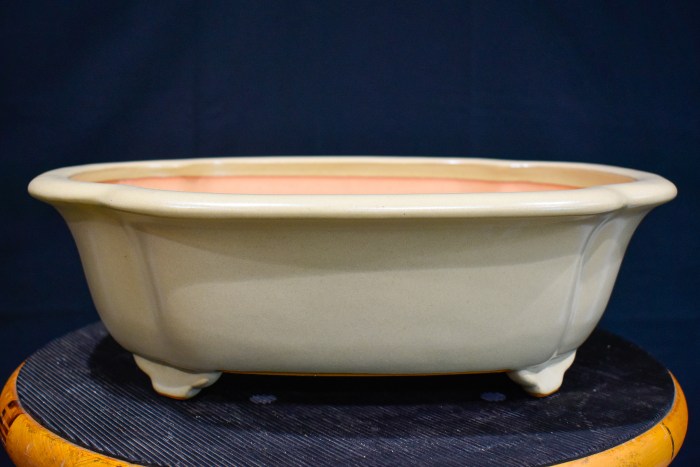
Japanese plant pots, renowned for their aesthetic appeal and functional design, often feature smooth surfaces that enhance their visual impact. This smoothness, achieved through various techniques, is not merely a cosmetic element; it plays a crucial role in the overall aesthetic and cultural significance of the pots. The meticulous craftsmanship and consideration for the surrounding environment are palpable in their refined forms.The visual impact of smooth Japanese plant pots extends beyond their inherent beauty.
Their polished surfaces, often achieved through meticulous glazing or careful shaping, create a captivating interplay of light and shadow, drawing the eye to the details of their design. The subtle curves and contours of these pots, whether minimalist or ornate, invite contemplation and appreciation for the artistry involved.
Shape and Form of Smooth Japanese Pots
The shapes of smooth Japanese plant pots vary widely, reflecting diverse artistic traditions and functional considerations. From compact, squat forms ideal for smaller plants to taller, slender designs that elegantly accommodate larger specimens, the shapes are often carefully considered to complement the plant’s natural form. The use of gentle curves and flowing lines is common, creating a sense of harmony and balance.
Cylindrical, conical, and bulbous shapes are frequent, each offering a unique visual experience.
Surface Texture and Visual Impact
The smooth surface texture of Japanese plant pots is a key element in their visual appeal. The finish, achieved through various techniques like glazing, polishing, or meticulous hand-finishing, creates a polished look, reflecting light and highlighting the pot’s form. The smooth surface contrasts beautifully with the textures of plants, drawing attention to the delicate foliage and vibrant colors.
The absence of any harsh or rough edges contributes to a serene and calming aesthetic.
Illustration Descriptions
Imagine a cylindrical pot, smooth and glossy, showcasing a deep, lustrous glaze. The pot’s sleek form is emphasized by the gentle curves of its sides, reflecting the light that falls upon it. A small succulent rests comfortably within, its vibrant green leaves contrasting with the pot’s polished surface.Alternatively, envision a shallow, bowl-shaped pot, crafted from a polished, dark ceramic.
The smooth surface of the pot reflects the surrounding environment, creating an elegant visual backdrop for a flowering vine that gracefully cascades down its sides. The pot’s simple, unadorned form accentuates the natural beauty of the plant.
Visual Styles of Smooth Japanese Pots
| Visual Style | Description |
|---|---|
| Minimalist | These pots emphasize clean lines, simple forms, and a muted color palette. They are often characterized by a seamless transition between shapes and surfaces, creating a serene and contemporary aesthetic. |
| Ornate | These pots feature intricate designs and embellishments, such as subtle carvings or delicate patterns. The smoothness of the surface is often highlighted by the contrast with the intricate details, creating a visually rich and complex piece. |
| Glazed | The smooth surfaces of glazed pots exhibit a range of colors and textures, from matte finishes to highly reflective glazes. The depth and richness of the glaze add a unique character to the pot’s overall aesthetic. |
| Natural Finish | These pots often showcase the natural beauty of the material, with a smooth, unadorned surface. The natural variations in the material’s color and texture are emphasized, creating a connection to the earth and a sense of authenticity. |
Smoothness and Sustainability
Japanese plant pots, renowned for their aesthetic appeal and often smooth surfaces, are increasingly scrutinized for their environmental footprint. The materials and techniques used to achieve that coveted smoothness play a crucial role in the overall sustainability of the product. From the sourcing of raw materials to the manufacturing processes themselves, conscious choices can significantly impact the environmental impact of these beautiful objects.The pursuit of a smooth finish in Japanese plant pots can often involve intricate processes, raising questions about the resources consumed and waste generated.
A commitment to sustainability demands careful consideration of these factors, seeking ways to minimize the environmental burden of both production and the product’s eventual lifecycle. This necessitates a move toward responsible material selection, environmentally friendly manufacturing techniques, and ultimately, a mindful approach to the entire production process.
Material Sustainability Factors
The choice of material significantly influences the sustainability of a Japanese plant pot. Natural materials like clay, often used in traditional Japanese pottery, offer inherent advantages but also present challenges. The extraction and processing of these materials can have varying environmental impacts. Furthermore, the manufacturing processes themselves, including firing and glazing, can release emissions. Modern materials, such as ceramic composites or resins, may offer alternative solutions but may also involve their own unique environmental trade-offs.
Understanding the environmental footprint of each material is paramount in making sustainable choices.
Manufacturing Process Impacts
The manufacturing processes for smooth Japanese plant pots can vary widely, significantly impacting their sustainability profile. Traditional methods, relying on hand-crafting and natural materials, often result in lower carbon emissions compared to industrial processes. However, even traditional methods can have an impact on the local environment if resources are not managed responsibly. Modern techniques using automated processes and specialized equipment may offer efficiencies but can raise concerns about energy consumption and potential chemical emissions.
Optimizing these processes and incorporating eco-friendly alternatives is critical for sustainable production.
Responsible Sourcing and Material Usage
The sourcing of materials for Japanese plant pots is a key aspect of sustainability. Using materials from responsibly managed sources and minimizing waste during production are crucial steps. This includes supporting suppliers who prioritize ethical labor practices and environmental stewardship. Furthermore, the use of recycled materials and the implementation of closed-loop systems can significantly reduce the environmental impact of production.
Responsible sourcing and mindful material usage are crucial for a sustainable supply chain.
Sustainability Factors by Material
| Material | Sustainability Factors (Positive/Neutral/Negative) | Explanation |
|---|---|---|
| Natural Clay | Neutral to Positive | Potentially low environmental impact if sourced sustainably, but extraction and firing can have environmental impacts. |
| Ceramic Composites | Neutral | May offer reduced material consumption compared to traditional clay, but the manufacturing process and material composition need to be assessed for sustainability. |
| Recycled Ceramics | Positive | Reduces the need for raw materials, lowering environmental impact. Requires careful processing to maintain quality and smoothness. |
| Resins | Negative to Neutral | Potentially high energy consumption during manufacturing. The types of resins and their processing significantly affect the sustainability profile. |
Comparing Smooth Pots with Other Types
Japanese plant pots, renowned for their aesthetic elegance, often feature smooth surfaces. This aesthetic choice, however, is not arbitrary. The inherent qualities of smoothness, along with the materials and techniques employed, contribute to a unique visual and practical experience. Understanding how smooth pots compare to alternatives—like textured or rustic designs—provides deeper insight into the nuanced design choices of Japanese pottery.Smooth surfaces, in Japanese plant pots, create a distinct aesthetic experience.
They reflect light in a way that emphasizes the inherent beauty of the materials. This sleekness contrasts with the tactile interest of rough-textured or rustic pots, which can emphasize the material’s natural variations. Ultimately, the choice between smooth and textured depends on the desired visual effect and the specific plant or arrangement.
Aesthetic Appeal Comparison
Smooth surfaces in Japanese plant pots often evoke a sense of quiet elegance and minimalist design. The absence of pronounced textures allows the focus to be on the plant itself and the overall harmony of the arrangement. This contrasts with textured pots, which can introduce visual interest through patterns or surface variations. The choice between smooth and textured often depends on the specific style of the garden or interior space.
For example, a minimalist Zen garden might favor smooth pots, while a more eclectic space might appreciate the visual complexity of textured designs.
Practical Considerations
The smooth surface of a Japanese plant pot can influence how water drains and how easily dirt or debris accumulates. A smooth surface, due to its lack of crevices, might allow for quicker drainage, reducing the risk of overwatering. Conversely, textured surfaces might hold moisture better, potentially creating a more controlled environment for some plant types. Practical considerations also include the pot’s ability to withstand daily wear and tear.
The smoothness of the pot can contribute to its durability, but this may vary depending on the specific material used.
Cultural Significance
The smooth surfaces of Japanese plant pots often align with the cultural emphasis on simplicity, harmony, and natural beauty in Japanese aesthetics. The emphasis on clean lines and the absence of unnecessary embellishments contribute to a sense of tranquility and connection to nature. This contrasts with the rustic or textured pots, which might convey a different aesthetic that aligns with a more earthy or handcrafted approach.
Comparison Table: Smooth vs. Rough-Textured Pots
| Criteria | Smooth Pots | Rough-Textured Pots |
|---|---|---|
| Aesthetic Appeal | Minimalist, elegant, emphasizes plant beauty | Earthy, textured, adds visual interest |
| Drainage | Generally quicker drainage due to lack of crevices | Potential for slower drainage due to crevices and textures |
| Maintenance | Easier to clean, less accumulation of debris | May require more frequent cleaning due to crevices |
| Cultural Significance | Simplicity, harmony, natural beauty | Earthiness, craftsmanship, handcrafted |
| Material Examples | Ceramics, stoneware, glazed porcelain | Unglazed terracotta, natural stone |
Conclusive Thoughts
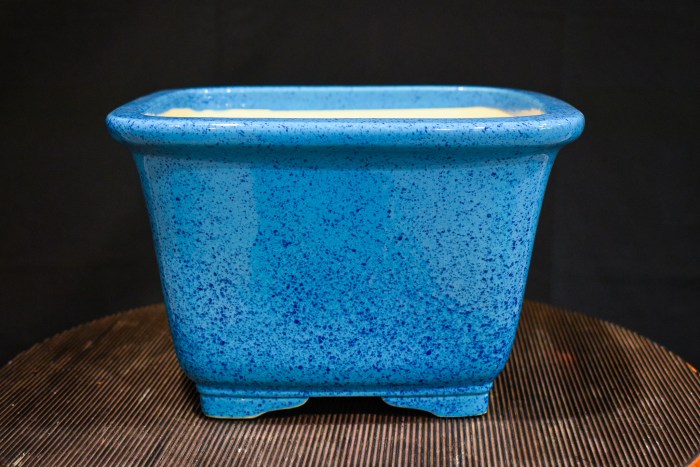
In conclusion, the “smooth” aesthetic in Japanese plant pots transcends mere aesthetics. It embodies a profound connection to tradition, craftsmanship, and a deep understanding of the relationship between humans and nature. The meticulous attention to detail, the diverse materials, and the evolution of techniques showcase a rich cultural heritage. From the historical significance to contemporary applications, the smooth Japanese plant pot stands as a testament to the enduring power of artistry and cultural expression.
